
The vote is the country’s first since the Hamas-led attacks of Oct. 7, 2023, and comes amid conflict, political division and questions about democratic institutions.
By The Haitian Tribune Staff
October 26, 2026
JERUSALEM — Israeli voters are preparing to choose a government in the country’s first national election since the Hamas-led attacks of Oct. 7, 2023. The vote is unfolding against the backdrop of war, domestic political conflict and deep divisions over the country’s future.
The attacks killed about 1,200 people, most of them civilians, according to the figures cited in the source report. Since then, Israel has fought in Gaza and on other fronts, while facing growing international criticism over its military campaign and policies in the occupied West Bank.
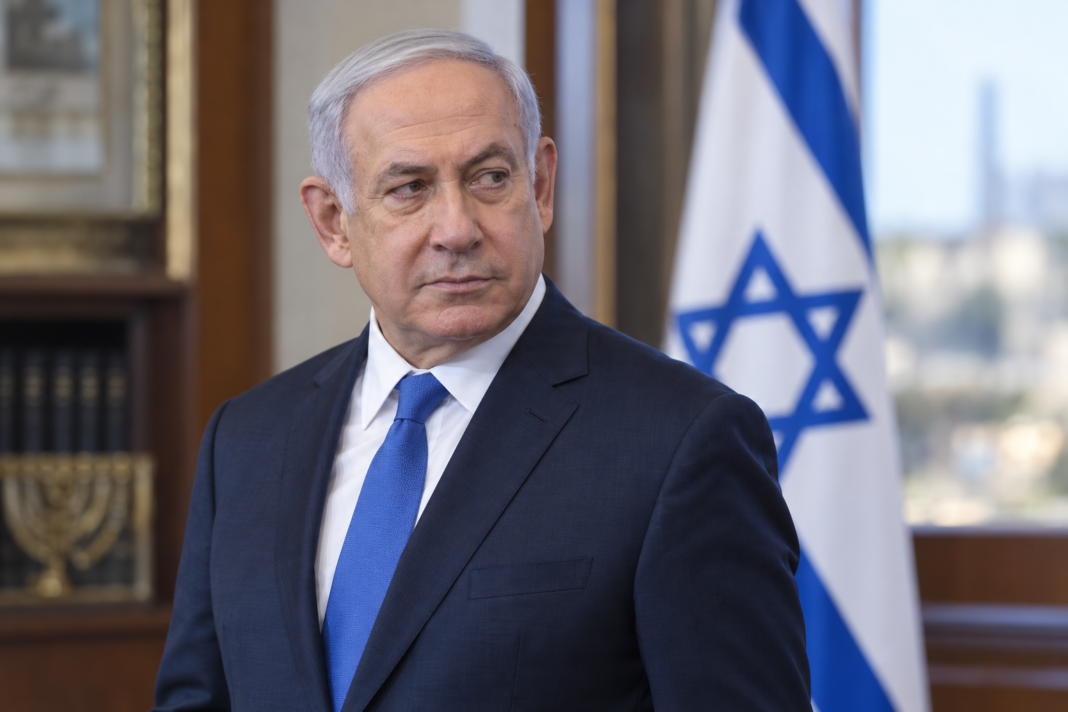
Prime Minister Benjamin Netanyahu is seeking another term. He has governed Israel for much of the past three decades and is leading a right-wing coalition. The election is also consequential for him personally: Netanyahu is standing trial on corruption charges, and his political future could affect the course of those proceedings.
His leading challenger is Gadi Eisenkot, a former military chief who entered electoral politics more recently. Eisenkot, whose family immigrated from Morocco, has built his campaign around a promise of more direct and accountable leadership. His son and two nephews were killed while fighting in Gaza in 2024.
Eisenkot’s party, Yashar, takes its name from a Hebrew word associated with honesty or integrity. His campaign has presented him as an alternative to Netanyahu’s long tenure and combative political style.
Security remains the dominant issue for many voters, but the campaign also touches on the cost of living, the state of Israel’s democratic institutions, religious extremism and the burden of prolonged military operations. Opposition parties have called for a state inquiry into the failures surrounding the Oct. 7 attacks. Many have also pledged to end exemptions from military service for ultra-Orthodox men, a longstanding issue of contention as other families send relatives to serve.
Israel’s international standing is another point of debate. Critics of the government cite expanding sanctions and other measures linked to settlement activity, as well as concern that skilled professionals are leaving the country.
Netanyahu has argued that Israel’s security establishment bears responsibility for the failures that preceded the Oct. 7 attacks. He has also portrayed himself as the candidate best positioned to protect the country because of his experience and international relationships. During the campaign, he shared an AI-generated image depicting a nuclear strike on Tel Aviv and warned voters about the risks of choosing the opposition.
Far-right members of his coalition have advocated removing Palestinians from Gaza and the occupied West Bank and expanding Israeli settlements. Ultra-Orthodox coalition partners, meanwhile, have sought to preserve military-service exemptions and public funding for religious study.
Polling cited in the report has generally indicated that Netanyahu’s Likud party and its current partners may fall short of a parliamentary majority. Surveys also suggest that many voters favor a change in leadership, although opposition parties are divided.
Eisenkot’s bloc of Jewish Israeli parties would likely need support from parties representing Palestinian citizens of Israel to form a government. Those parties could help bring down Netanyahu’s coalition, but several Jewish Israeli parties have ruled out joining a government with them. Palestinian politicians have said they may support a minority administration if it ends Netanyahu’s rule.
The outcome may therefore depend not only on the balance of seats, but also on whether parties with opposing positions can agree on a governing arrangement. The election will test public confidence in Netanyahu’s leadership while leaving unresolved questions about security, accountability and the future direction of Israeli politics.
By the Haitian Tribune Staff