
HAITI / BUSINESS
The businessman built a far-reaching corporate group spanning steel, energy and shipping. His wealth and influence—and Canadian sanctions over alleged links to armed gangs—remain part of a wider debate about power and accountability in Haiti.
By The Haitian Tribune Staff
October 19, 2026
PORT-AU-PRINCE — Gilbert Bigio, a prominent Haitian businessman whose companies became deeply woven into the country’s economy, died in Florida on September 29. He was 91.
Bigio was widely described as Haiti’s first billionaire. His business group, initially known as GB Group and later renamed BGO, operated in sectors including steel, energy, construction, shipping, consumer products and finance. The family’s businesses supply goods such as cooking oil and soap, produce steel for construction, and operate port facilities. The company also expanded into the wider Caribbean, including fuel stations in Jamaica and the Dominican Republic.
The scale of that business made Bigio one of Haiti’s most influential economic figures. It also placed him at the center of recurring questions about the relationship between wealth, political influence and public accountability in a country where institutions have long struggled to regulate powerful interests.
In December 2022, Canada imposed sanctions on Bigio and two other Haitian businessmen. The Canadian government said it believed the men were using their positions within Haiti’s economic elite to support or enable criminal gangs, including through alleged money laundering and corruption. Ottawa also called for an end to the provision of money and weapons to armed groups.
The sanctions represented allegations by the Canadian government; the report did not establish that Bigio had been convicted of a crime. Their practical effect was also questioned by some analysts, who described the measures as largely symbolic.
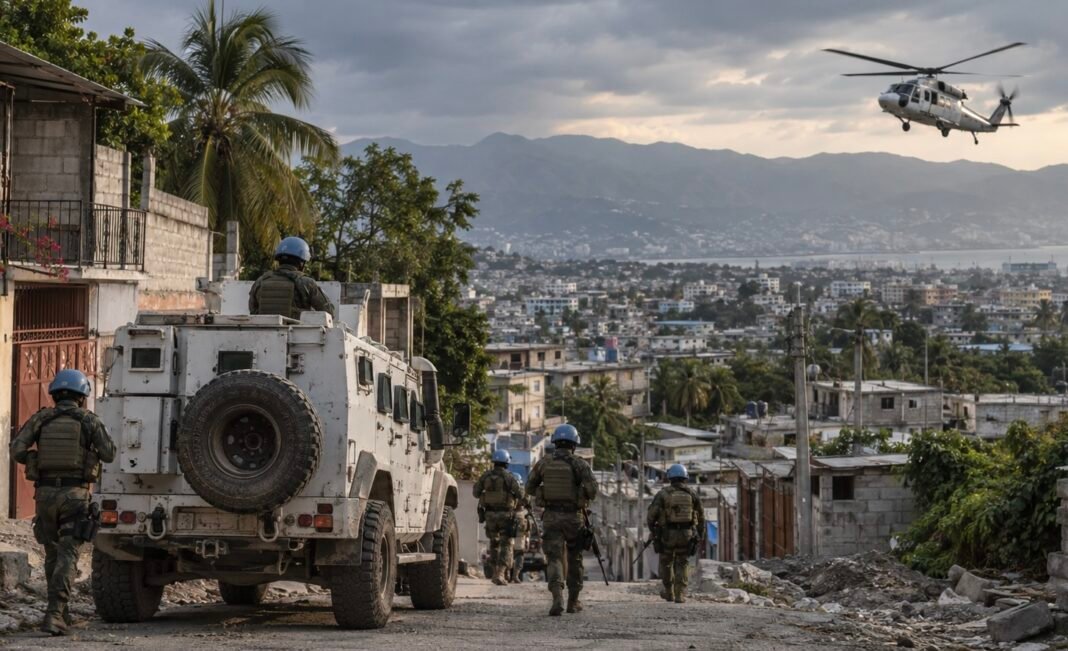
The controversy reflects a larger problem confronting Haiti. Armed groups have expanded their influence amid prolonged political instability and a weakened state, particularly since the 2021 assassination of President Jovenel Moïse. The International Monetary Fund has reported that gangs sometimes cooperate with powerful economic interests, while analysts have noted that companies operating in gang-controlled areas may have to negotiate with armed actors to move goods or maintain access.
That context has fueled calls for greater transparency around business dealings, tax collection and political influence. Former central bank governor and former prime minister Fritz Alphonse Jean said Bigio’s company grew using capital generated within an economy where weak institutions often failed to ensure fair competition. He also criticized the limited integration of social responsibility into the operations of Haiti’s largest businesses.
Bigio’s name had drawn scrutiny before the Canadian sanctions. During Haiti’s 1991 military coup, the U.S. Treasury Department reportedly froze assets belonging to Bigio and other prominent Haitians accused of supporting the coup that ousted President Jean-Bertrand Aristide. The restrictions were lifted after Aristide returned to power in 1994 following U.S. intervention.
His financial affairs also appeared in the 2021 Pandora Papers investigation, which identified offshore companies connected to wealthy individuals around the world. The International Consortium of Investigative Journalists reported that Bigio was linked to at least a dozen companies, many registered in the Bahamas.
Born in Port-au-Prince on June 10, 1935, Bigio came from a family of Sephardic Jewish immigrants who had moved from Syria to Haiti in the late 19th century. The family built its early wealth through exports of cotton, cacao and wood.
In 1972, Bigio and other investors established Aciérie d’Haïti, the country’s first steel mill. That venture became a foundation for the diversified business group that followed. The company later played a leading role in developing Port Lafito, Haiti’s first deepwater container terminal, which opened in 2015. At its height, the group employed more than 2,000 people.
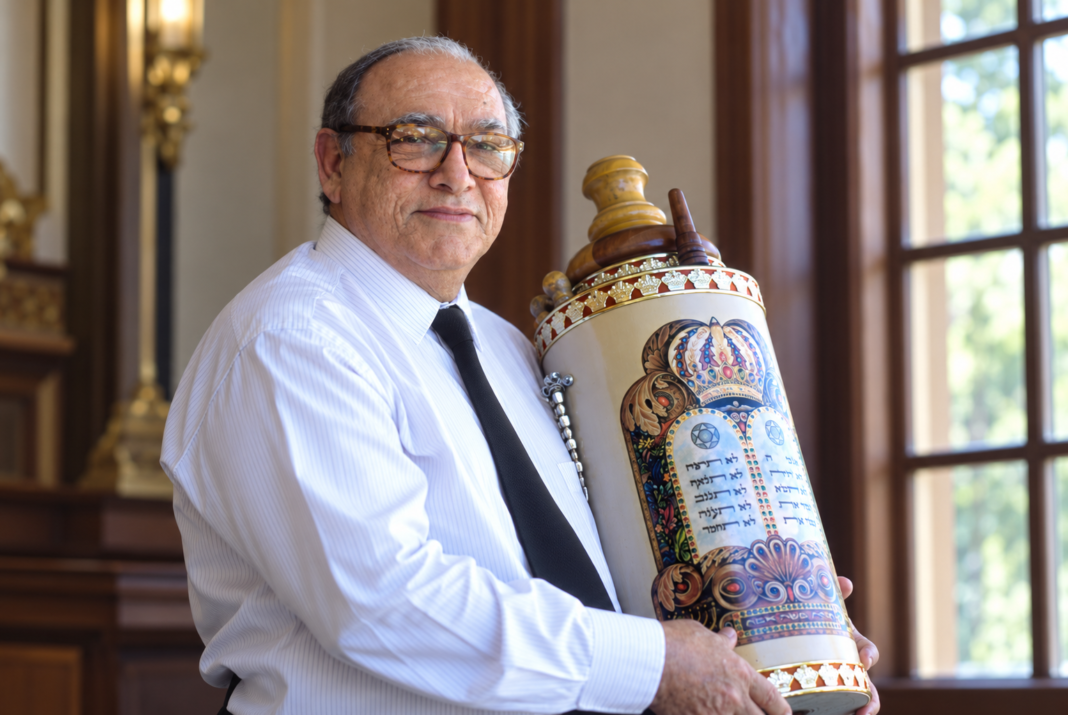
Bigio stepped aside as head of the conglomerate in 2018, turning leadership over to his son, Reuven. He also served for 25 years as Israel’s honorary consul in Haiti and was known for supporting Jewish religious life in a country with a small Jewish community.
His legacy is therefore complex: he helped establish major industries and build businesses that employed thousands, while his immense wealth and the sanctions against him intensified scrutiny of Haiti’s economic elite. The debate surrounding his career raises enduring questions about who benefits from the country’s economy—and what obligations accompany that influence.
Bigio is survived by his wife, Monique; his son, Reuven; and daughters Yael and Laurence.