
By Haitian Tribune Staff
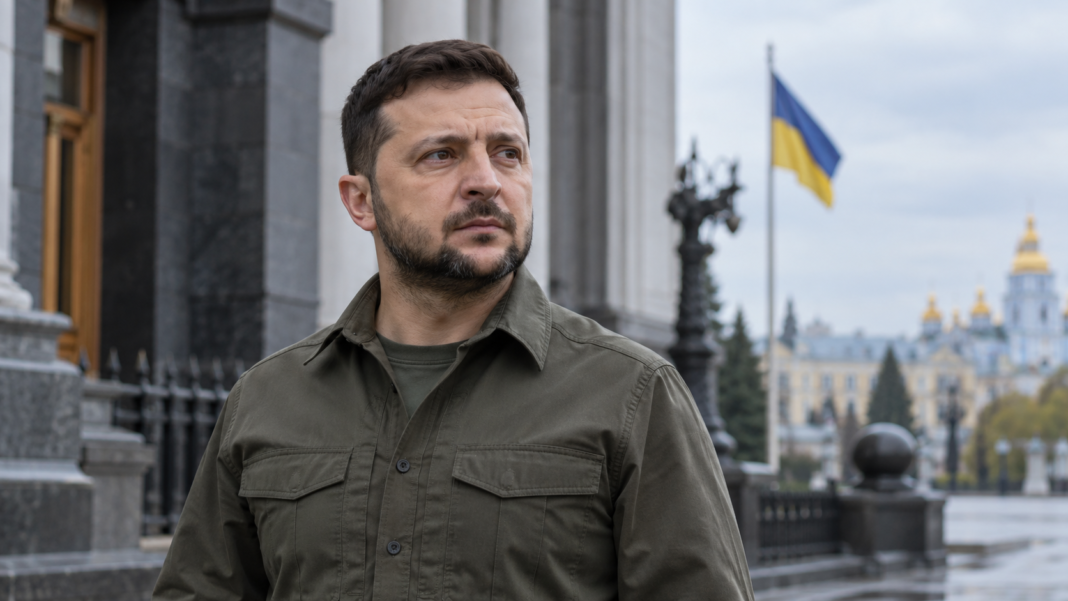
Ukrainian President Volodymyr Zelensky chose to confront President Donald Trump publicly after learning that Russian missiles had struck Kyiv without the usual advance warning from the United States, according to an account from someone traveling with him.
Zelensky was aboard an overnight train from Kyiv to Poland when he and his advisers received the news late Tuesday. It was the second consecutive day of attacks without the warning Kyiv had come to expect, the person said. Zelensky later traveled to meet European allies in London and Brussels.
The decision marked a change in Zelensky’s approach to Trump. For roughly 18 months, following a contentious meeting at the White House, the Ukrainian leader had sought to maintain a working relationship with the U.S. president. But recent moves by Trump—including easing some pressure on Moscow, praising Russian President Vladimir Putin, criticizing Kyiv and calling for Zelensky’s removal—left the Ukrainian leader concerned that Washington might make further concessions to Russia.
Rather than keep his objections private, Zelensky used public appearances and interviews to challenge Trump’s policy toward Russia. He argued that relaxing sanctions could help Moscow finance its war and rejected the suggestion that Ukraine was responsible for rising fuel prices. The public criticism carried political risk: Ukraine depends heavily on U.S. support, and a deeper break with Washington could weaken Kyiv’s position.
The dispute has unfolded as Russia continues attacks on Ukrainian cities and energy infrastructure. Trump has said the United States is still sharing intelligence with Ukraine, while Zelensky has said Kyiv received no advance warning before recent missile strikes. Those statements point to a growing dispute over the scope and reliability of U.S. support, without establishing that all intelligence cooperation has ended.
Zelensky’s decision reflects a difficult calculation: he must preserve access to Washington while warning that policies he sees as favoring Moscow could prolong the war. His public challenge signals that, for Kyiv, silence may carry risks of its own—especially if Ukraine’s allies begin easing pressure on Russia without securing meaningful limits on its attacks.