
A multimillion-dollar agreement to supply weapons and ammunition to Haiti’s national police is facing delays and questions about the handling of public funds, according to an investigation by the Miami Herald. The newspaper reported that more than $7 million paid by the Haitian government cannot currently be accounted for.
The contract was awarded to Fencebridge Strategic Risk, a security and arms brokerage firm founded by Daniel Nozell, a longtime manager of the late country music star Dolly Parton, and Bryan Seaver, Parton’s nephew and former head of security. The deal was intended to provide police with semiautomatic rifles and ammunition as the country’s security forces confront heavily armed gangs.
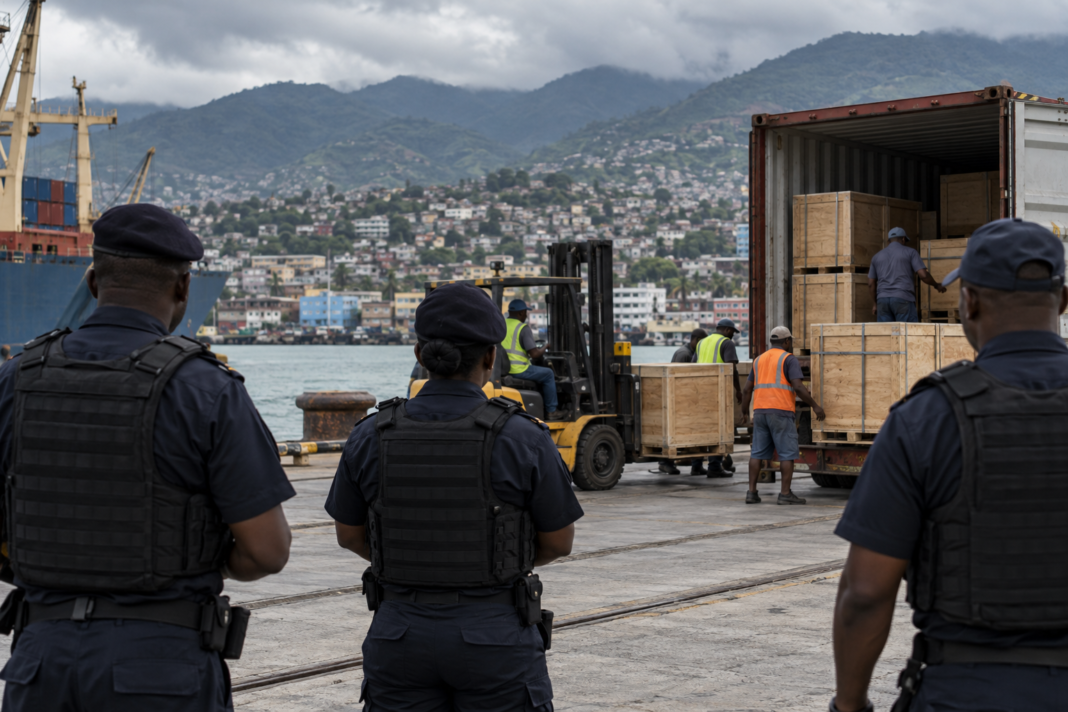
Some ammunition has arrived in Haiti, including rounds in 9-millimeter, 5.56-millimeter and 7.62-millimeter calibers. The overall delivery remains incomplete.
Funds routed through an intermediary
Documents reviewed by the Miami Herald indicate that the Haitian government sent two payments totaling more than $15 million to Ellie Soto, a U.S. citizen who was involved in separate business proposals in Haiti. Soto reportedly confirmed receiving the funds in January.
Fencebridge Chief Operating Officer Andrew Day told the newspaper that Soto was supposed to hold the money in escrow and transfer payments to the company. He said more than $7 million remains with Soto and that Fencebridge has not received several million dollars it says it is owed for shipments.
Soto did not respond to the newspaper’s requests for comment. Her current location and whether she still controls the funds were not established.
The money was initially handled through an attorney’s client trust account. Attorney Anthony Madu told the Herald he distributed the funds according to instructions, but declined to provide further details, citing attorney-client privilege.
Former Republican congressman Mark E. Green, who represented Tennessee, also became involved. Green said he connected Fencebridge with attorneys and contacts who could assist the company with U.S. licensing and export requirements. He told the newspaper he received $600,000 for his work, while denying any role in arranging the Haitian contract or controlling the missing funds.
Green said the $7 million was not in his possession or Fencebridge’s. A Haitian source cited by the Herald alleged that Green and Soto were holding the money, but Green disputed that account.
Licensing and oversight concerns
The U.S. restricts arms exports to Haiti, and companies must obtain the required federal approvals. The Herald reported that Fencebridge faced delays securing permits and licenses before entering the arms transaction. Day described the firm as a licensed arms broker and said its work complied with U.S. and international law. The State Department declined to discuss specific licensing activity.
The newspaper reported that Green offered to connect the company with legal and lobbying contacts. He said he was paid for his services, but denied that his work involved structuring the contract itself.
The agreement was signed in 2025 by Haiti’s justice and public security minister, Patrick Pélissier, whose ministry oversees the national police. The Herald said Haitian officials did not answer questions about whether the contract underwent review by the Cour Supérieure des Comptes et du Contentieux Administratif, the public body responsible for auditing government finances and reviewing administrative disputes.
Two government officials told the newspaper that the court had blocked a separate weapons purchase for Haiti’s military after the supplier failed the vetting process.
A contract’s value remains disputed
The deal drew public attention after a text message from Seaver appeared in a legal dispute involving him and Parton’s estate. In the message, Seaver described himself as an international arms dealer and placed the contract’s value at $29 million.
Fencebridge later said that amount was inaccurate. The company put the agreement at approximately $24 million: about $13 million for ammunition and $11 million for firearms.
The company’s ownership and the extent of Parton’s awareness of or involvement in Fencebridge remain unclear. Nozell told the Herald that Parton had no connection to the company, adding that he had been an early partner before stepping away.
Fencebridge said its work in Haiti is intended to help the government and national police confront armed groups. The company’s partial deliveries come as Haitian communities continue to face deadly gang attacks and the police struggle to maintain adequate supplies.
Analysis: urgency cannot replace accountability
The need to strengthen Haiti’s police is urgent, but the reported payment and delivery problems raise questions about how the contract was structured and monitored. Routing public money through an intermediary, while leaving millions unaccounted for and shipments incomplete, creates serious concerns about transparency and financial controls.
Haitian authorities should clarify whether the contract received the required review, identify who was responsible for safeguarding the funds, and provide a public accounting of payments and deliveries. Those steps are essential both to protect public resources and to ensure that police receive the equipment the government paid for.
By the Haitian Tribune Newsroom