
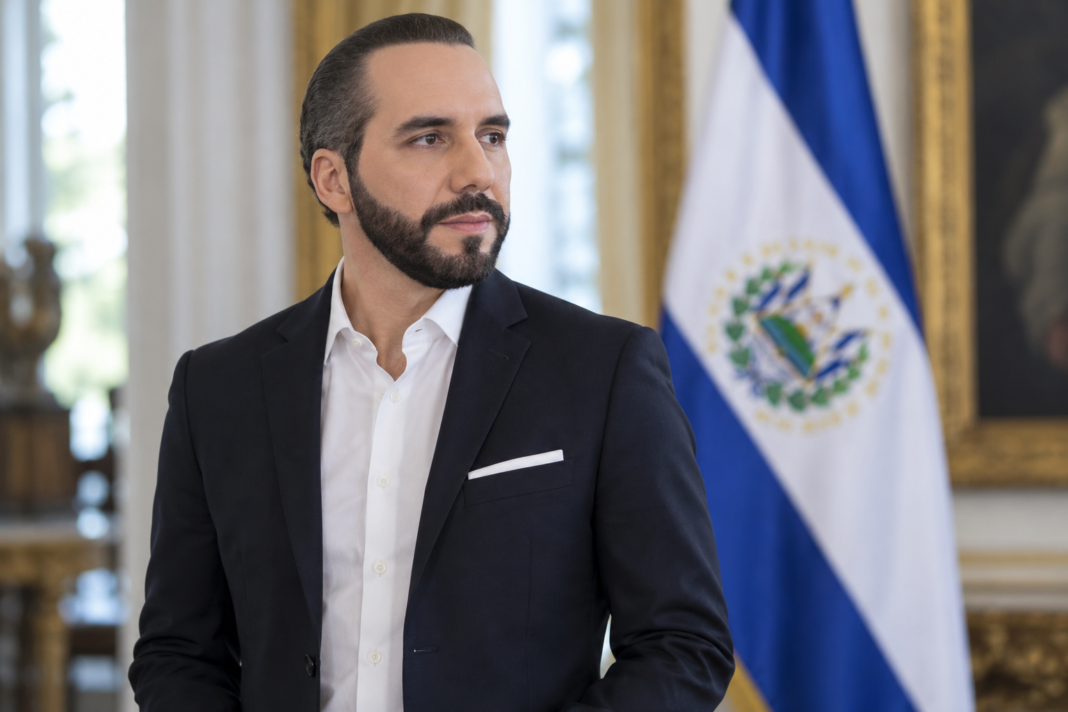

El Salvador’s president warns armed groups of consequences as the search continues in Croix-des-Bouquets.
By The Haitian Tribune Staff
October 22, 2026
PORT-AU-PRINCE — El Salvador’s President Nayib Bukele is demanding that four Salvadoran military personnel missing in Haiti be returned alive and unharmed, warning armed groups that his government will respond if they are not.
The four men, aviation technicians assigned to the United Nations-authorized Gang Suppression Force (GSF), have not been heard from since their vehicle was attacked Sunday in the Santo area of Croix-des-Bouquets, east of Port-au-Prince.
Bukele issued his warning Wednesday in a message written in Haitian Creole and posted on X. He said El Salvador had begun a military operation aimed at bringing the men home, but gave no details about its scope. It remains unclear whether he meant the Salvadoran helicopters already assisting the search or a possible deployment of additional forces.
El Salvador’s armed forces said the personnel had escaped the ambush, but their whereabouts remain unknown. Officials have not confirmed whether the men are alive or have been taken by armed groups.
The Salvadoran team was reportedly returning to its base after visiting a supermarket in the Santo 19 area when gunmen attacked its armored Toyota. The vehicle caught fire after an explosive device was used, according to the account provided to the Miami Herald. The Chen Mechan gang was identified as the initial assailant, with members of 400 Mawozo reportedly joining the attack. Both groups are associated with the Viv Ansanm alliance.
GSF personnel have been searching the area by air and on foot. Santo is considered a gang stronghold, and the search comes as the international force faces challenges reaching its planned strength of 5,500 personnel.
Bukele said the missing men were technicians, not combat troops, and that their role in Haiti was to support aviation operations, including medical evacuations. He described the attack as an assault on personnel serving under an international mission and called for their immediate return.
The United Nations Security Council recently renewed the GSF’s authorization for six months. El Salvador is among the Latin American countries contributing personnel to the effort. Bukele had previously expressed reservations about sending the country’s aviation unit to Haiti.
The attack has heightened concerns over the risks facing international personnel operating in areas controlled by armed groups. It also comes amid criticism of Haitian authorities over persistent corruption, weaknesses in the justice system and delays in addressing the country’s security crisis.
At a Security Council briefing earlier this week, U.S. Ambassador Mike Waltz condemned the attack and said it would not stop the international force from pursuing its mission. He said armed groups had severely restricted Haitians’ ability to work, travel and send children to school safely.
The Haitian government has not publicly commented on the missing Salvadoran personnel, according to the report. Their disappearance raises fresh questions about the safety of foreign troops and the challenges facing the mission as it works to expand its presence.
Separately, the United States continued deportation flights to Haiti. An Immigration and Customs Enforcement charter flight was scheduled to arrive in Cap-Haïtien Thursday from Alexandria, Louisiana, despite ongoing insecurity and the Trump administration’s decision to end Temporary Protected Status for more than 300,000 Haitians in the United States.
The search for the four Salvadoran personnel remains underway.