
Haitian Tribune | October 4, 2026
SANTO DOMINGO — A match between Haiti and the Dominican Republic has turned into a diplomatic and sporting controversy after Haiti’s 4–1 victory in Santo Domingo. The dispute now involves crowd trouble at the stadium, remarks by Haitian players about the island of Hispaniola, and the Dominican government’s decision to bar Haiti’s national team from playing in Dominican sports facilities.
Dominican Sports Minister Kelvin Cruz announced the ban on Friday, one day after the teams met at the Félix Sánchez Olympic Stadium. President Luis Abinader backed the measure, saying, “The position of the Sports Minister is the position of the Government.”
Cruz called the scenes at a stadium entrance unacceptable and said the government would not tolerate disorder or damage to public facilities. Videos shared after the match appeared to show groups of fans pushing through entrances, and reports said a gate was damaged. The stadium had recently received major public investment.
Crowd trouble before kickoff
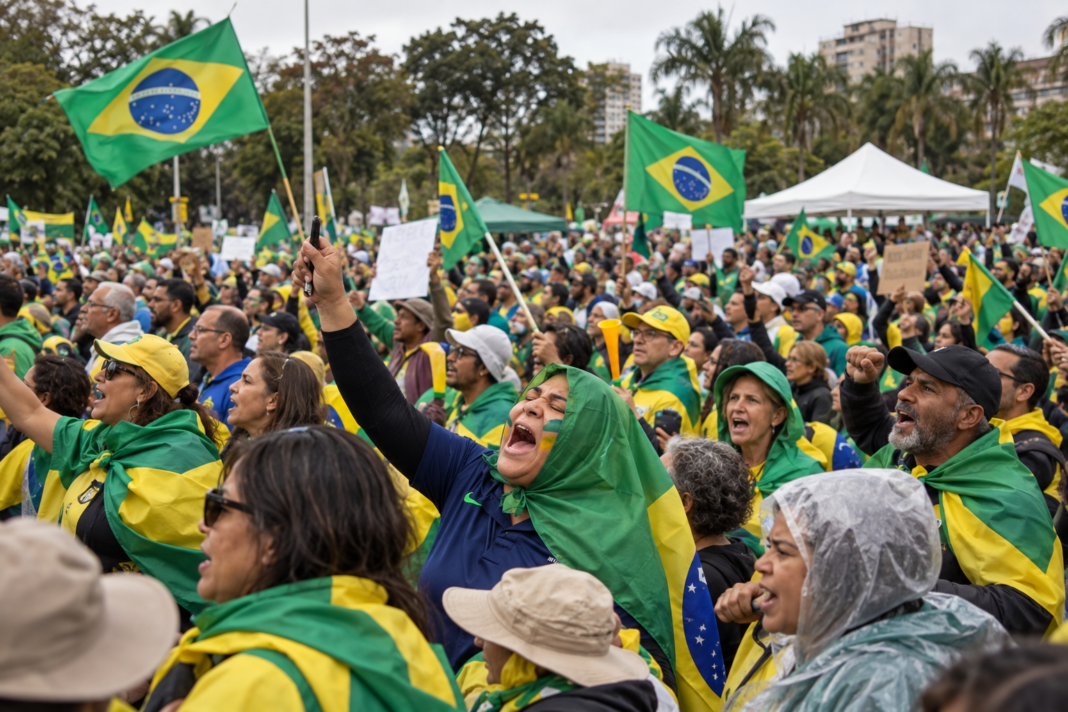
The trouble unfolded as large crowds gathered outside the stadium. Reports said tickets had sold out and congestion developed at the entrances. Security forces intervened as some spectators tried to get inside. The available reports describe disorder and damage, but do not establish that every Haitian supporter at the match was involved.
The match was Haiti’s first on Dominican soil in 13 years, according to reporting by Deutsche Welle. Around 25,000 spectators attended, with many Haitian fans in the crowd. The scale of the turnout and the pressure at the entrances became a central part of the dispute after the game.
A dominant result and a disputed celebration
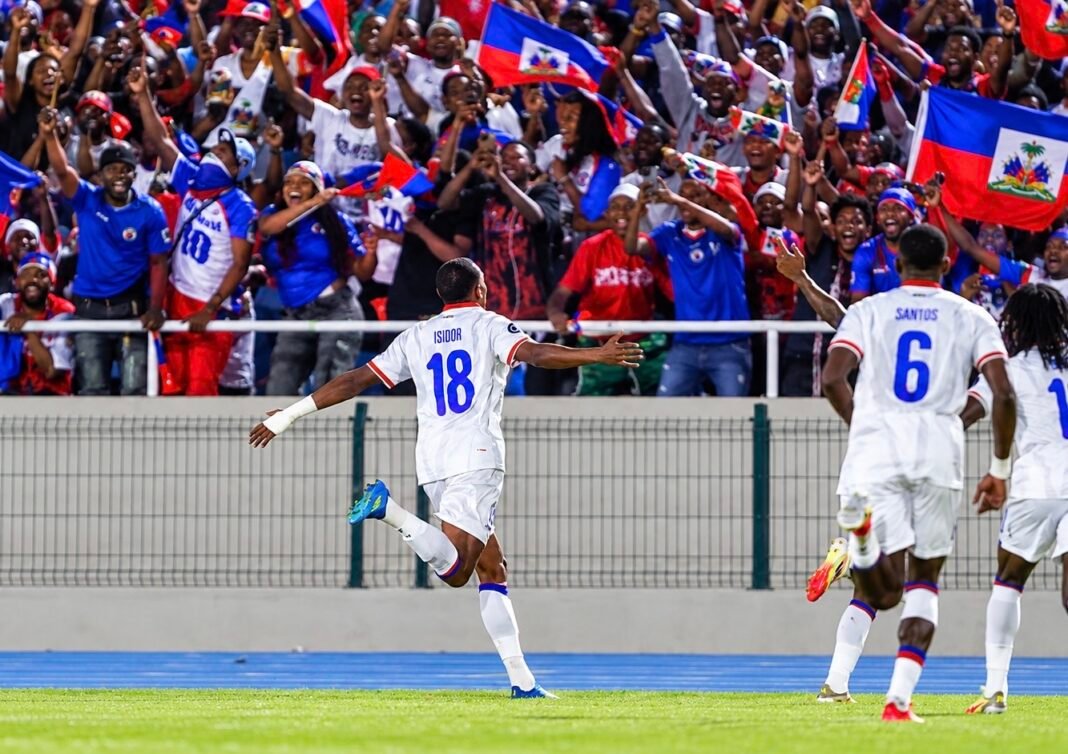
On the field, Haiti secured a commanding 4–1 win in the Concacaf Nations League match. Louicius Deedson opened the scoring, Wilson Isidor scored twice, and Yassin Fortune added Haiti’s fourth. The result brought a major sporting celebration for Haitian supporters in the stadium.
Afterward, Isidor drew criticism in the Dominican Republic for remarks interpreted as claiming the island for Haiti. Haitian forward Duckens Nazon also reportedly posted “Hispaniola is ours” on social media. Dominican football officials described the statements as disrespectful to the country’s sovereignty, while some reports said the Dominican federation was considering raising the matter with international football authorities.
Haiti’s Embassy in Santo Domingo sought to defuse the dispute. It said players’ comments made in the heat of competition did not represent the position of the Haitian government or the embassy, and reaffirmed respect for Dominican sovereignty. The embassy also thanked the Dominican government and people for their cooperation and support surrounding the match.
A sporting dispute with wider consequences
The ban gives the controversy consequences beyond the match itself. Dominican stadiums have been used for Haitian football events, and barring the national team from those venues could complicate future fixtures. The scope and implementation of the ban will matter to tournament organizers and both football federations.
The dispute also arrives amid longstanding strains between the two neighboring countries, including disagreements over migration, border security and the treatment of Haitians and people of Haitian descent in the Dominican Republic. Those tensions do not explain or excuse disorder at the stadium, but they help explain why remarks about Hispaniola and national sovereignty triggered such strong reactions. Dominican authorities report extensive deportation operations; human rights groups have raised concerns over the treatment and due process of some people affected by migration enforcement.
The immediate questions are whether the stadium ban will be formally defined, how it will affect upcoming competitions, and whether both football federations can prevent the incident from becoming a longer-running political dispute. For now, a night that began as a regional football rivalry has left both countries facing a debate over security, respect and the boundary between sporting emotion and national politics.