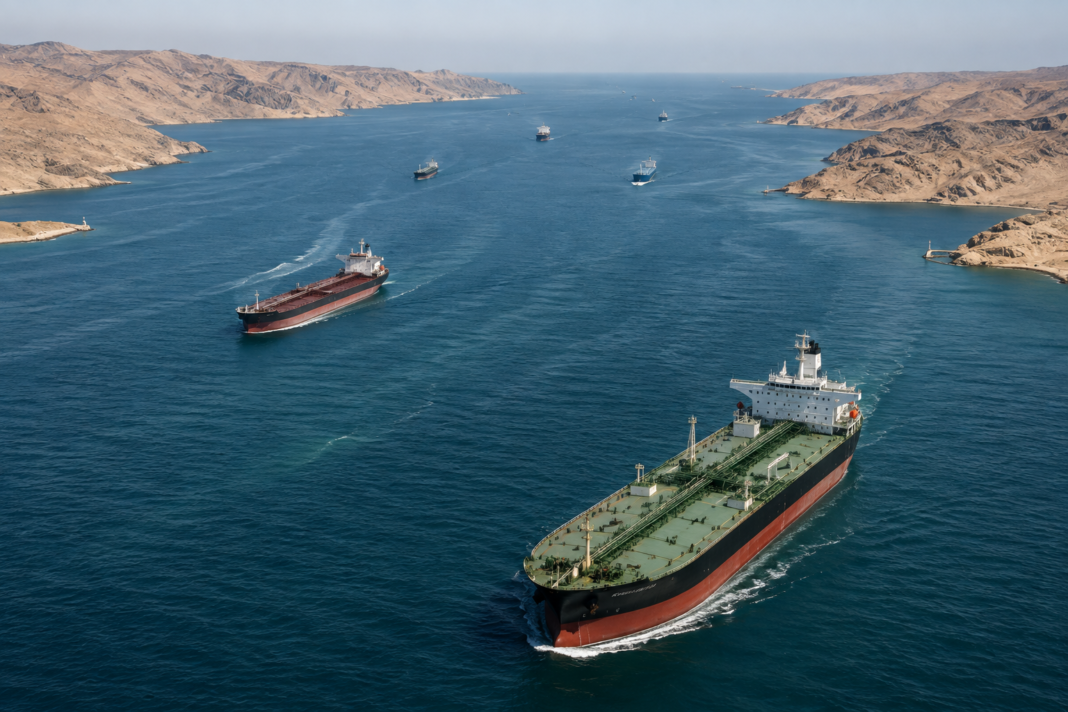
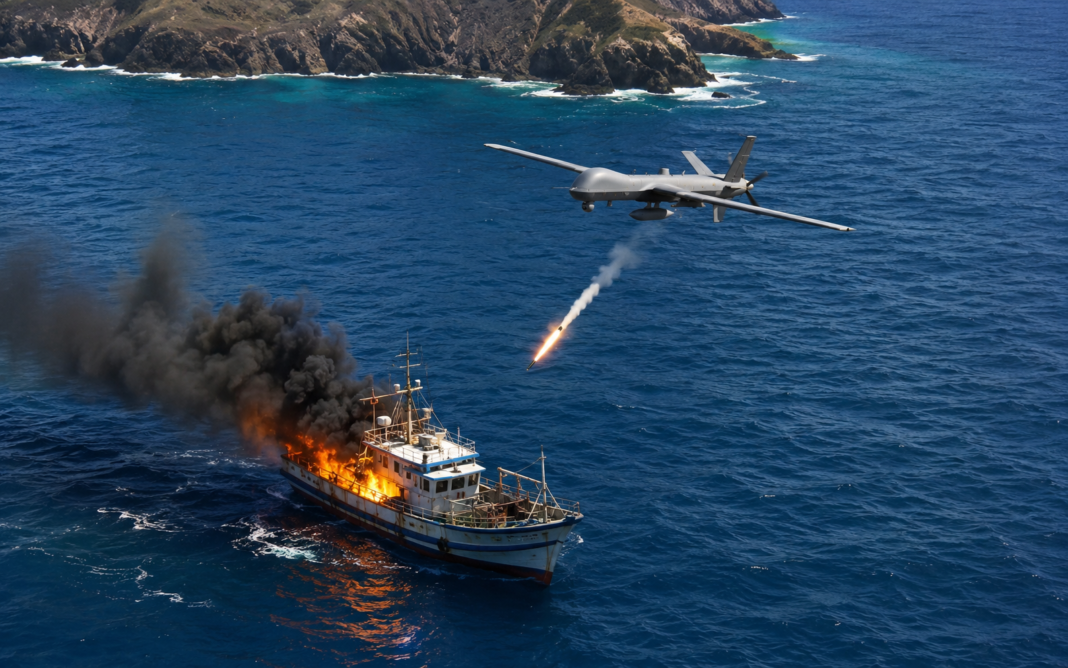

QUITO, Ecuador — A series of unexplained attacks on Ecuadorian fishing vessels near the Galápagos Islands may have been connected to a secret CIA operation, according to a report by The Washington Post, raising new questions about U.S. counter-narcotics activities in the region.
The newspaper reported that the incidents were carried out as part of a covert-action program authorized by the Trump administration. Under such programs, the United States can conduct secret operations abroad without publicly acknowledging its involvement.
The CIA declined to comment on the newspaper’s findings, and no government or agency has publicly accepted responsibility for the attacks.
Surveillance Aircraft and Drone Attacks
Flight-tracking information reviewed as part of the investigation reportedly showed a surveillance aircraft traveling from El Salvador toward fishing vessels before drones attacked.
The circumstances surrounding the incidents remain unclear, including who directly operated the drones and whether private contractors or foreign governments participated in the operation.
One of the most serious cases occurred in January, when a fishing vessel disappeared along with eight crew members. No official explanation has publicly established what happened to the boat or those aboard.
The reported CIA connection could provide a new dimension to the Trump administration’s broader campaign against suspected maritime drug trafficking.
Questions Over the Targets
The incidents have generated concerns about how vessels were identified as possible trafficking targets and what evidence was used before force was deployed.
The Galápagos Islands and the surrounding eastern Pacific waters sit near maritime routes that authorities have long monitored for international narcotics trafficking. Fishing vessels can also operate across large stretches of the region, making identification and surveillance particularly important when military or intelligence operations are involved.
The reported operation differs significantly from publicly announced U.S. counter-narcotics missions because covert actions are specifically designed to conceal Washington’s role.
Calls for Greater Scrutiny
The revelations could increase pressure on U.S. officials to explain the legal authority, intelligence and safeguards behind operations targeting vessels in international or foreign waters.
They could also raise questions in Ecuador, where the Galápagos Islands are both a protected ecological region and an important economic area for fishing communities.
For now, significant details remain undisclosed. Neither Washington nor Quito has publicly provided a complete account of the attacks, and the reported CIA role has not been officially confirmed by the agency.
The investigation therefore leaves a central question unresolved: exactly what happened to the targeted boats—and who ultimately authorized each strike?
The Haitian Tribune | International News