
TEHRAN, Iran — Tensions between Iran and the United States are escalating over the Strait of Hormuz after Tehran declared that the strategically vital waterway remains under Iranian control, responding to President Donald Trump’s assertion that Washington has gained dominance over the passage.
Iranian officials said Thursday that the Strait of Hormuz is under the country’s “control and management,” pushing back against comments from Trump suggesting the United States now exercises authority over the waterway.
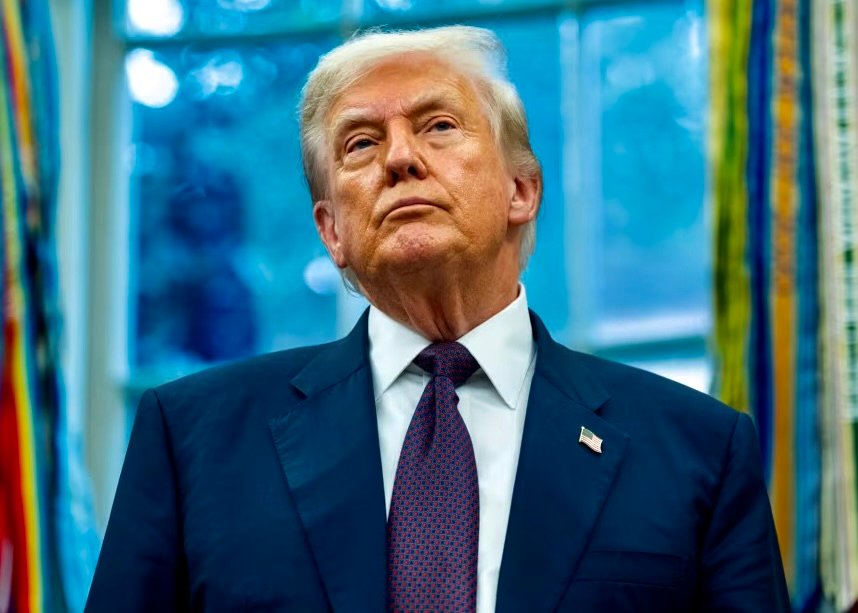
Trump intensified the dispute Wednesday with a post on his Truth Social platform declaring that the United States has “total control” of the strait and suggesting Washington might retain that control.
The competing declarations come amid the continuing war in the Middle East and growing concerns about the security of one of the world’s most important maritime energy routes.
Why the Strait of Hormuz Matters
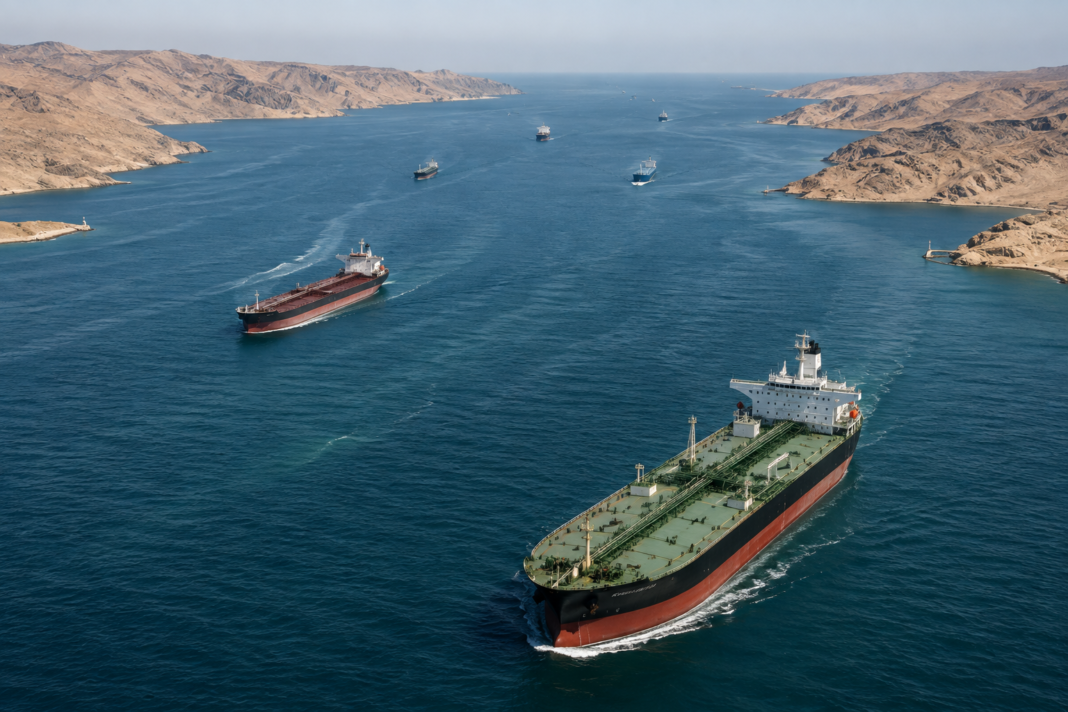
Located between Iran and Oman, the Strait of Hormuz connects the Persian Gulf with the Gulf of Oman and the Arabian Sea. A significant share of the world’s oil and liquefied natural gas exports passes through the narrow shipping corridor.
Any prolonged disruption could have major consequences for global energy markets, potentially affecting oil supplies, transportation costs and consumer prices around the world.
The latest confrontation has therefore raised concerns that the strategic waterway could become an even greater focus of the conflict between Washington and Tehran.
Iran Raises Oil Spill Dispute
Iran is also seeking compensation over an oil spill in the Strait of Hormuz that reportedly reached the shores of Qeshm Island.
Iranian authorities believe a foreign bulk carrier may have been responsible for the spill. The environmental dispute adds another source of friction in waters already under intense military and political scrutiny.
Reported Iranian Plot Against Trump’s Aircraft
The confrontation comes as new details emerge about a reported Iranian plot involving President Trump’s aircraft.
According to CBS News, U.S. and Turkish intelligence agencies detected information last month indicating that Iran may have been preparing to launch a missile at the presidential aircraft.
Around the same period, Trump was reportedly transferred secretly from Air Force One to another aircraft using an elaborate security operation that included moving the president through a catering vehicle.
The reported threat underscores the extraordinary security concerns surrounding the widening confrontation with Iran.
Washington Threatens More Economic Pressure
The Trump administration is also signaling that its campaign against Tehran will extend beyond military pressure.
Treasury Secretary Scott Bessent has warned that Washington could impose an unprecedented level of economic isolation on Iran, indicating that additional financial measures could be used to further restrict Tehran’s access to international markets.
The threat suggests the administration intends to combine military pressure with sanctions and other economic measures as it attempts to weaken Iran’s ability to finance and sustain its operations.
With both governments now publicly asserting authority over the Strait of Hormuz, the dispute has moved beyond military positioning into a broader struggle over control of a waterway critical to the global economy.
Any further escalation in or around the strait could have consequences extending far beyond the Middle East, particularly for international shipping and global energy prices.
The Haitian Tribune | International News