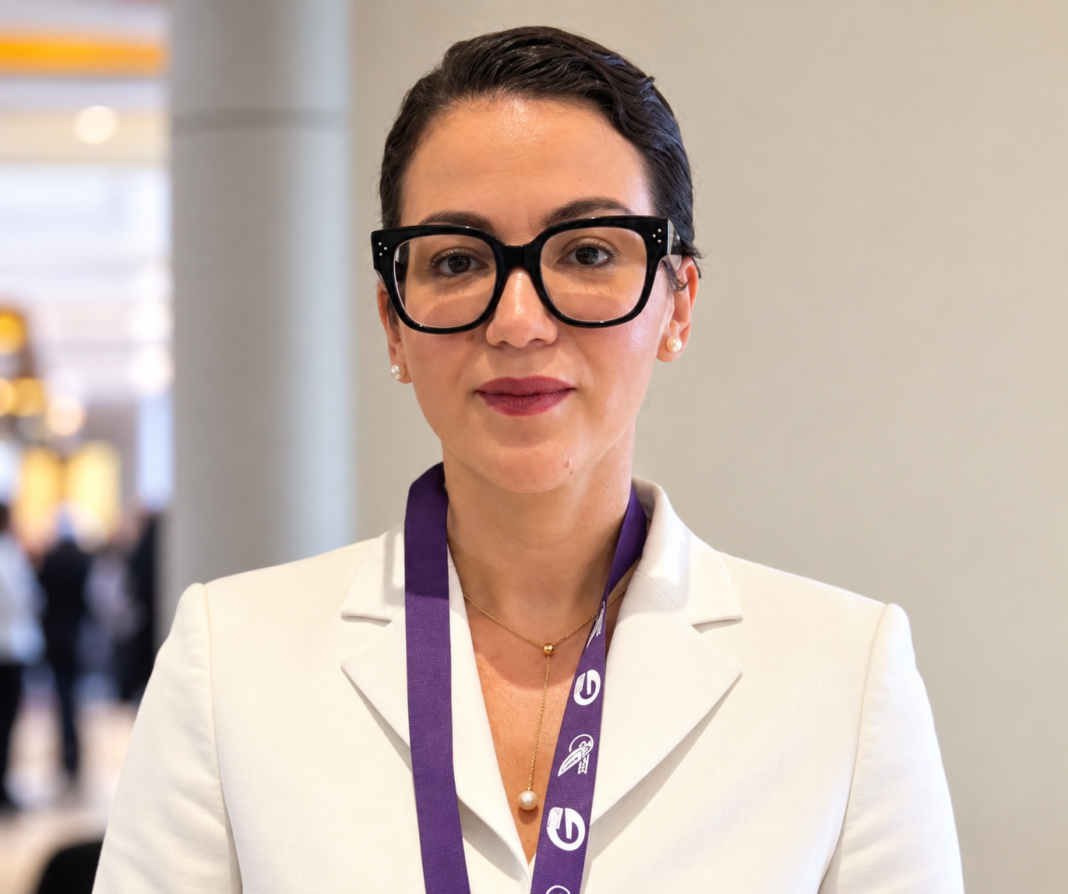

U.S. Attorney Jason A. Reding Quiñones says investigators will continue pursuing those suspected of financing, facilitating or supporting the plot as one of Haiti’s most consequential criminal cases enters a new phase in South Florida
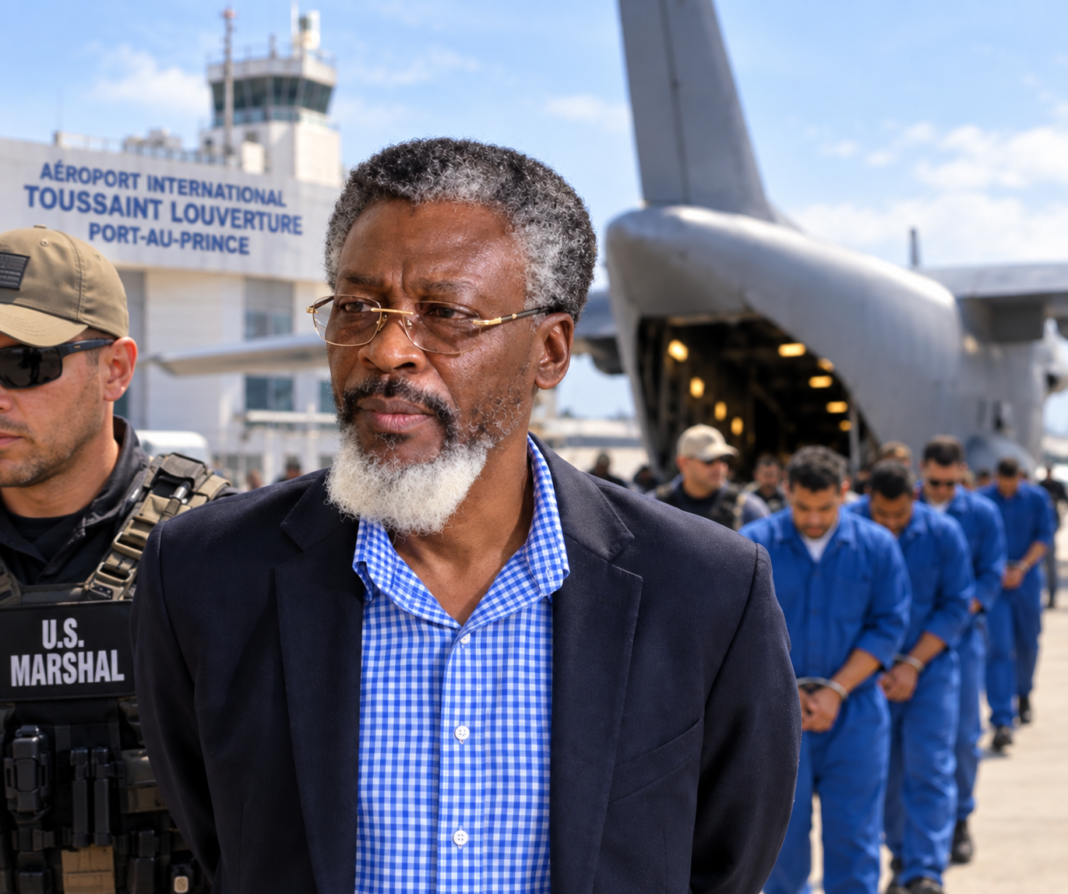
In a major development in the five-year investigation into the assassination of Haitian President Jovenel Moïse, Joseph Félix Badio and 17 Colombian nationals detained in Haiti were flown to the United States on Sunday to face proceedings in federal court in South Florida.
A U.S. military aircraft transported the 18 suspects from Haiti on September 20. U.S. Attorney Jason A. Reding Quiñones, the chief federal prosecutor for the Southern District of Florida, confirmed the transfer and said the investigation remains active. Reuters reported that 30 people have now been indicted in connection with the assassination case.
The operation represents one of the most consequential developments in the case since Moïse was shot and killed inside his private residence during the early hours of July 7, 2021.
Badio, a former Haitian government official who has emerged repeatedly in testimony and investigative records as an alleged central figure in the conspiracy, was transferred alongside 17 Colombians, many of them former soldiers, who had remained imprisoned in Haiti since shortly after the assassination.
The transfer does not establish the guilt of the newly transferred defendants. They are entitled to the presumption of innocence on charges that have not resulted in convictions.
U.S. Attorney: “We Are Not Finished”
Reding Quiñones used unusually forceful language in announcing the development, signaling that federal investigators intend to look beyond those accused of physically participating in the attack.
In a statement posted Sunday, he said:
“Today marks the next major phase in our pursuit of accountability for the assassination of President Jovenel Moise. Our work did not end with the men who planned and carried out this assassination. We will follow the evidence wherever it leads, to those who financed it, facilitated it, supported it, or committed crimes to make it possible. Five years later, we are still bringing defendants before American courts, and we are not finished.”
— Jason A. Reding Quiñones, U.S. Attorney for the Southern District of Florida, September 20, 2026
Reuters independently reported the prosecutor’s announcement and the transfer of the 18 suspects aboard a U.S. military aircraft.
The final words of the statement—“we are not finished”—are significant because major questions have persisted since Moïse’s death about who ultimately financed, authorized and benefited from the operation.
The statement does not identify additional suspects or establish that further indictments will necessarily follow. It does, however, make clear that federal authorities consider the investigation broader than the prosecution of the men accused of directly carrying out the attack.
Thirty People Indicted
According to Reding Quiñones, 30 individuals have now been indicted in connection with the Moïse assassination investigation.
The United States has prosecuted significant portions of the case because federal authorities say important elements of the conspiracy were organized and financed through South Florida.
In May, a federal jury in Miami convicted Arcangel Pretel Ortiz, Antonio Intriago, Walter Veintemilla and James Solages for their roles in the conspiracy. The Justice Department said evidence at trial showed that participants developed several plans to kidnap or remove Moïse before the operation ultimately became a plan to kill him.
The Justice Department said the conspirators recruited participants in the United States, Colombia and Haiti, including former Colombian soldiers, and that weapons and tactical equipment were obtained for the operation.
Eight other alleged co-conspirators had previously pleaded guilty, according to federal prosecutors.
The arrival of 18 additional defendants now substantially enlarges the group brought into the U.S. judicial process.
Who Is Joseph Félix Badio?
Badio is a former Haitian government official who previously worked for institutions including the Ministry of Justice and Haiti’s Anti-Corruption Unit.
He remained at large for more than two years following the assassination before Haitian authorities arrested him in Pétion-Ville in October 2023.
Badio has maintained his innocence.
His alleged role became particularly prominent during federal proceedings in Miami. Witness testimony, communications and other evidence presented during the earlier prosecution repeatedly referred to him as the alleged conspiracy evolved.
According to testimony reported by the Miami Herald, witnesses alleged that Badio was present at a staging location before the attack and gave a signal for members of the group to move toward Moïse’s residence.
Other allegations have concerned weapons and information allegedly provided about the presidential residence.
Those claims remain allegations against Badio and should be distinguished from the convictions already obtained against other defendants.
Seventeen Colombians Leave Haitian Custody
The other men transferred Sunday are Colombian nationals who had been detained in Haiti in connection with the assassination.
Many are former members of Colombia’s military.
Their cases have remained unresolved for years as Haiti’s judicial system struggled with insecurity, institutional instability and the extraordinary complexity of an international assassination investigation.
The defendants’ individual circumstances are also important.
Questions have persisted about how much individual members of the Colombian contingent knew about the operation’s ultimate objective. Some defendants and their relatives have maintained that certain members believed they had been hired for security-related work rather than to assassinate Haiti’s president.
U.S. prosecutors will therefore have to establish the individual criminal responsibility of each defendant rather than simply treating membership in the Colombian group as proof of identical conduct or intent.
From an Alleged Kidnapping Plot to Assassination
Evidence already tested in U.S. federal court has provided one of the clearest accounts yet of how prosecutors believe the conspiracy developed.
The Justice Department says the group considered multiple plans during the spring and summer of 2021.
At one stage, conspirators allegedly discussed kidnapping Moïse, drugging him and forcing him to resign. Another plan contemplated abducting him after his return from an international trip.
Federal prosecutors say the operation ultimately changed again, with Colombian mercenaries being directed to attack the president’s residence and kill him.
On July 7, 2021, armed men stormed Moïse’s residence.
The president was fatally shot, while First Lady Martine Moïse was seriously wounded.
At the May 2026 trial, federal prosecutors presented forensic evidence they said connected bullets recovered from President Moïse and his wife to a rifle carried and used by members of the Colombian assault team.
The convictions established criminal responsibility for several participants, but they did not answer every question surrounding the origins and financing of the assassination.
Following the Money
The financial dimension of the conspiracy has increasingly become part of the U.S. investigation.
Federal prosecutors said Walter Veintemilla helped finance the operation through a $175,000 loan arrangement involving money derived partly from fraudulently obtained U.S. COVID-19 relief funds.
In July, Keegan Harricharan, another figure connected to the conspiracy, was sentenced to 20 years in federal prison after pleading guilty to conspiracy to engage in money laundering. The Justice Department said hundreds of thousands of dollars in fraudulently obtained pandemic-relief funds were laundered in transactions that helped finance the plot.
That financial history gives additional context to Reding Quiñones’ new statement that investigators intend to pursue not only alleged participants but also people suspected of financing or facilitating the assassination.
His statement should not, however, be interpreted as evidence that any particular person who has not been charged participated in the conspiracy.
Christian Sanon Case Approaches Another Critical Stage
Sunday’s transfer also comes as the federal case against Christian Emmanuel Sanon moves toward another important stage.
Sanon, a Haitian-American physician and pastor who lived in South Florida, has been accused by federal prosecutors of participating in the broader conspiracy and seeking political power following Moïse’s removal.
His case had previously been delayed because of health issues.
The arrival of Badio and the Colombian defendants could affect how the remaining federal proceedings are organized, although decisions about whether defendants are tried together, separately or under additional indictments ultimately rest with prosecutors and the federal courts.
Families Caught by Surprise
The transfer also created uncertainty for families of the Colombian detainees.
Relatives told the Miami Herald they had been preparing for proceedings in Haiti and received no advance indication that the defendants would instead be sent to the United States.
Some families said they had spent years raising money through community activities to help cover legal expenses in Haiti and now worry about the financial and logistical demands of proceedings in South Florida.
Defendants who cannot afford private attorneys in U.S. federal criminal proceedings may qualify for court-appointed counsel.
Nevertheless, relatives could face substantial difficulties involving international travel, communication and participation in proceedings taking place outside Haiti.
A Haitian Assassination Increasingly Prosecuted in America
The transfer creates an extraordinary situation.
A Haitian president was assassinated inside his residence on Haitian territory, yet many of the most consequential judicial proceedings arising from his death are now taking place in the United States.
Haiti’s domestic investigation has been hampered by insecurity, judicial turnover, threats against officials and the broader deterioration of state institutions.
Haitian human-rights advocate Pierre Espérance criticized Sunday’s development as reflecting badly on Haiti’s judicial system, telling Reuters that Haiti should be capable of trying major criminal cases committed within its own territory.
At the same time, the American prosecution has produced guilty pleas, convictions and extensive evidence concerning the planning and financing of the operation.
The federal jury’s May convictions were especially significant. Prosecutors said the four defendants helped turn South Florida into a staging ground for a conspiracy that ultimately resulted in the assassination of a sitting foreign president.
The Central Question Remains
Five years after Jovenel Moïse’s assassination, the investigation has established considerably more about how the operation was organized and carried out.
But the question that has followed the case since July 2021 has not disappeared:
Who ultimately conceived, authorized and financed the assassination of Haiti’s president—and what was the full motive behind it?
The transfer of Badio and the 17 Colombians does not answer that question.
Instead, it brings another major group of defendants into a federal system that has already spent years reconstructing the conspiracy through financial records, electronic communications, forensic evidence and testimony from cooperating defendants.
And Reding Quiñones’ September 20 statement indicates that federal authorities do not consider Sunday’s transfer the final chapter.
As the U.S. attorney put it, investigators intend to follow the evidence toward those they believe financed, facilitated or otherwise supported the operation.
“Five years later,” he said, “we are still bringing defendants before American courts, and we are not finished.”
By The Haitian Tribune Staff | September 20, 2026 | PORT-AU-PRINCE