
Model survey of 3,000 participants tests seven prominent political figures as Haiti’s electoral process moves forward
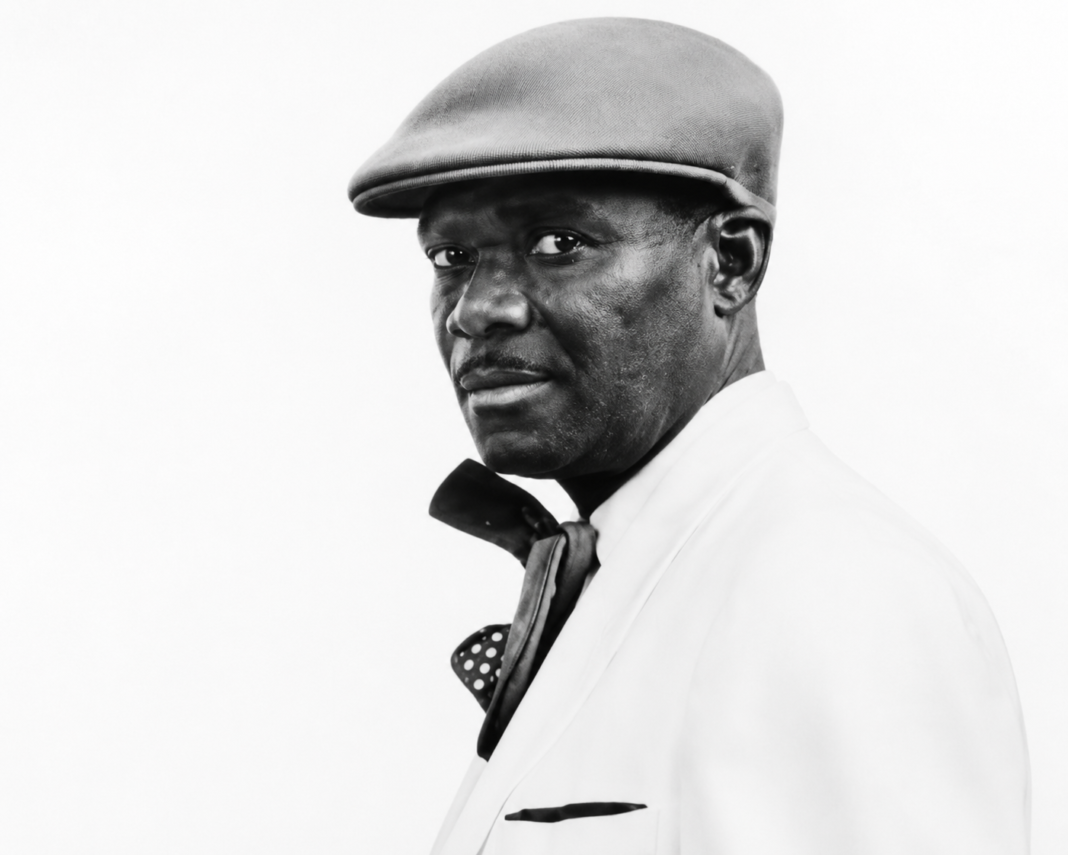
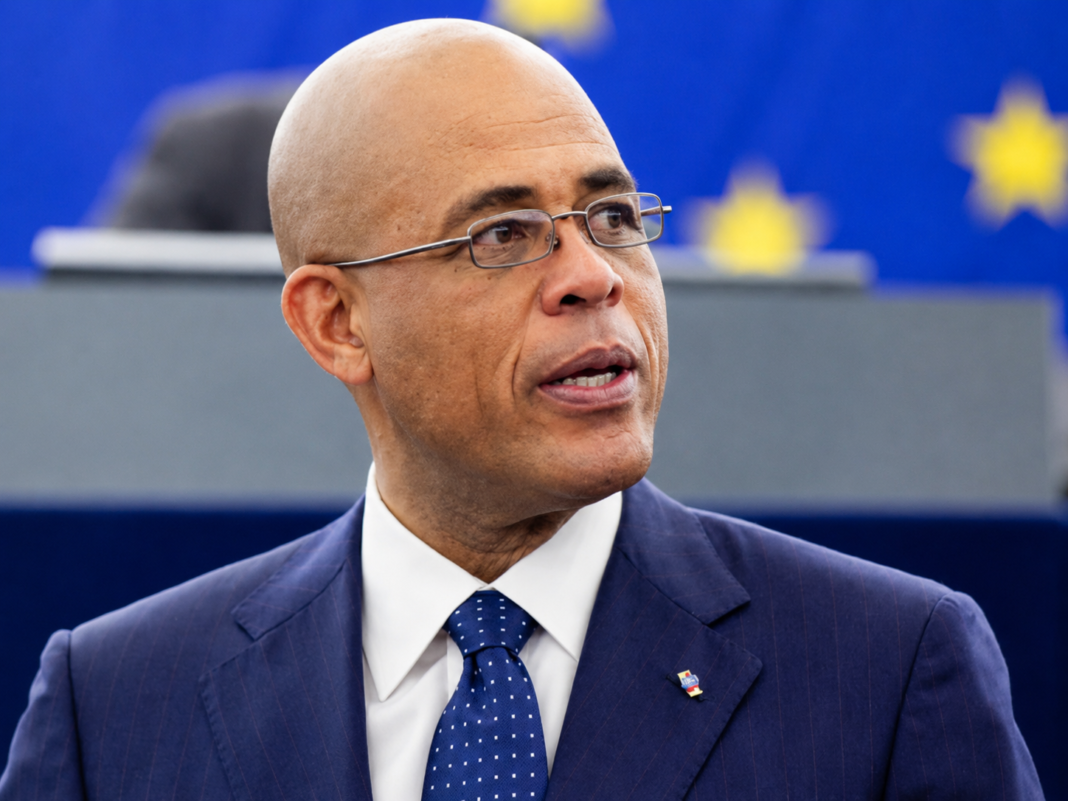
PORT-AU-PRINCE — Former President Michel Joseph Martelly would emerge with the largest share of support in a hypothetical seven-way presidential contest constructed for an August 2026 Haitian Tribune election model, as Haiti enters a critical phase of preparations for national elections.
The model examines a proposed survey of 3,000 participants recruited through WhatsApp groups involving registered voters and political activists in nine Haitian communities.
Because these figures are illustrative rather than results from a completed scientific poll, they should not be interpreted as actual measurements of Haiti’s electorate or as a prediction of the election.
Hypothetical Seven-Way Presidential Preference
Participants would be presented with the following question:
“If Haiti’s presidential election were held today and these were the candidates, for whom would you vote?”
A sample distribution illustrating the Martelly-leading scenario could be:
| Political figure | Political structure supplied/tested | Hypothetical share | Sample respondents |
|---|---|---|---|
| Michel Joseph Martelly | Debloke | 42% | 1,260 |
| Moïse Jean-Charles | Pitit Dessalines | 20% | 600 |
| Claude Joseph | EDE | 13% | 390 |
| Jerry Tardieu | En Avant | 10% | 300 |
| Jocelerme Privert | Ayiti Transfòme | 7% | 210 |
| Wilner Joseph | Viktwa | 5% | 150 |
| Munir Mourra | MPH | 3% | 90 |
| Total | 100% | 3,000 |
Under this hypothetical distribution, Martelly receives 42%, followed by Jean-Charles at 20%, Claude Joseph at 13%, Tardieu at 10%, Privert at 7%, Wilner Joseph at 5%, and Mourra at 3%.
These percentages are sample figures created for the proposed Haitian Tribune poll format. They are not independently measured voter preferences.
A Rapidly Changing Political Landscape
The seven political structures identified in the proposed survey are among organizations appearing on the CEP’s final August list of approved political structures.
The CEP reported that the consolidation and approval process resulted in 105 structures: 88 political parties and 17 political groupings. Debloke, Ayiti Transfòme, En Avant pour Haïti and Viktwa appear among the approved groupings, while Pitit Dessalines, EDE and MPH appear among the approved parties.
This represents a substantial change from the earlier phase of the electoral process, when hundreds of political organizations were seeking authorization.
Martelly’s Political Future Draws Attention
Martelly’s possible role in the election has generated particular interest.
The former president registered on Haiti’s electoral list at the Lycée de Pétion-Ville on Sunday, August 30, according to reporting published after his registration. However, registering to vote and registering as a presidential candidate are two different procedures.
As of that reporting, no public announcement establishing Martelly as an official presidential candidate had been identified.
The distinction is particularly important for The Haitian Tribune’s coverage. A poll can test Martelly’s support as a potential candidate, but until his candidacy is officially established, he should not be described categorically as an official presidential nominee.
Debloke itself is an approved political grouping. CEP documentation identifies Marie Yanick Mezile Lhérisson as its representative and lists its constituent political organizations.
What a Martelly Lead Would Mean — and What It Wouldn’t
If an actual survey produced a result resembling the hypothetical 42% figure above, it would show that Martelly had the largest share among respondents participating in that particular survey.
It would not establish that he was certain to win the presidency.
Presidential elections involve turnout, candidate eligibility, campaigning, geographic differences, undecided voters and potentially multiple rounds. Political conditions can also shift substantially between an August survey and Election Day.
A scientifically representative national poll would therefore require considerably more rigorous sampling than recruitment through WhatsApp political groups.
Measuring Confidence in the Election
The Haitian Tribune could make the eventual survey more informative by asking respondents about the election itself rather than limiting the questionnaire to candidate preference.
Participants could be asked whether they believe the election will be free and fair, whether they trust the CEP to administer the process, whether security conditions will allow them to vote, and whether they expect to participate.
Those questions could reveal something candidate preference alone cannot: whether voters believe the eventual result will be credible.
The questionnaire could also measure the issues voters consider most important, including insecurity, gang violence, employment, inflation, corruption, education, migration, and rebuilding state institutions.
Methodology and Transparency
If The Haitian Tribune proceeds with a real 3,000-person WhatsApp survey, the published methodology should identify the nine participating cities, exact field dates, recruitment procedure, eligibility screening, number of responses from each location and the exact wording and order of questions.
A WhatsApp survey drawn from registered voters and activists would generally be an opt-in/nonprobability survey, unless respondents were genuinely selected through a probability-based sampling frame. Consequently, a conventional ± percentage-point margin of sampling error should not automatically be attached to the results.
The Tribune should also separate respondents living in Haiti from members of the diaspora if both groups participate.
That transparency would allow readers to understand exactly what the results measure—and what they do not.
An Election Still Taking Shape
Haiti’s presidential field remains fluid. Political organizations are positioning themselves, prospective candidates are testing their support and the electoral authorities continue preparations for voting.
That makes August an important moment for measuring public sentiment, but also one in which caution is necessary.
For The Haitian Tribune, an election survey can provide a valuable window into the electorate, provided its methodology, limitations, and hypothetical elements are made clear to readers.
The Haitian Tribune | Politics & Elections